SUV vs Hatchback: 7-Step Checklist to Choose the Right Car
Decide whether an SUV or hatchback fits your life with a practical 7-step checklist. Compare space, running costs, towing needs, and test real listings.
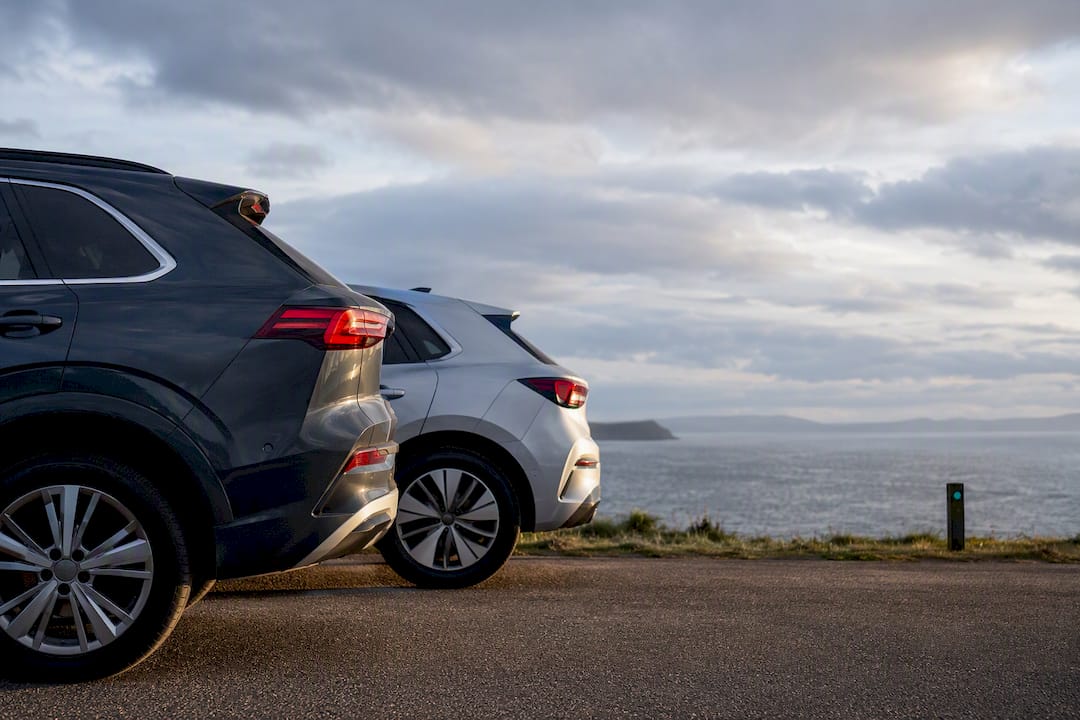
If your daily driving is mostly city streets, tight parking spaces, and short commutes, a hatchback usually costs less to buy and run. If you regularly haul people, gear, or a trailer, or drive on rough surfaces, an SUV earns its higher price tag. Neither wins outright. The right answer depends on your lifestyle, and the rest of this guide breaks down exactly how to work that out.
TL;DR:
- Hatchbacks generally have lower purchase, insurance, and maintenance costs, making them more economical over the total ownership period.
- SUVs offer more space, higher ride height, and optional all-wheel drive, making them suitable for families, outdoor activities, and rough terrains.
- The size overlap between compact SUVs and hatchbacks blurs traditional distinctions, with many models sharing engines, platforms, and fuel efficiency.
- Evaluating real listings for mileage, service history, and previous owners provides a more accurate picture of ownership costs than brochure specifications.
- The final choice should be based on how you actually drive, with a practical cargo test and attention to drivetrain specifications, especially if towing or off-road use matters.
Table of Contents
- SUV vs hatchback: what actually separates them
- Hatchback pros, cons, and who they suit
- SUV pros, cons, and who they suit
- How to choose: a checklist for your final decision
- What ownership actually costs over time
- Using a marketplace to test the checklist properly
- Compare hatchbacks and SUVs side by side on Ecosteer
- Sources
SUV vs hatchback: what actually separates them
The defining difference is structural. A hatchback integrates its boot space with the passenger cabin through an upward opening tailgate, keeping the whole car low, light, and compact. An SUV builds a taller, more rugged body around a bigger cabin, with cargo space typically raised and separated by a load lip.
That single design choice ripples through everything else you feel behind the wheel:
- Footprint: hatchbacks are shorter and narrower, making them easier to park and manoeuvre in tight streets.
- Ground clearance: SUVs sit higher off the road, useful on poor surfaces, speed bumps, or uneven driveways.
- Cargo layout: hatchback boots are shallow but wide; SUV boots are deeper and taller, better suited to bulky items.
- Seating position: SUVs put you higher, with better sightlines over traffic; hatchbacks keep you closer to the road, which usually means sharper handling.
- Drivetrain options: hatchbacks are almost always front wheel drive; many SUVs offer optional all wheel drive.
The line has blurred lately. Compact crossovers and small SUVs now share engines, platforms, and even fuel economy with larger hatchbacks, so the size categories overlap more than model names suggest.
Hatchback pros, cons, and who they suit
Hatchbacks tend to be the cheapest cars in any manufacturer’s range, and that price advantage carries through the whole ownership period. They generally cost less to insure and run than an equivalent SUV, thanks to lighter kerb weight, smaller engines, and lower repair costs. Their lower centre of gravity also makes handling more predictable, which matters in wet weather or a sudden lane change.
Where hatchbacks earn their reputation:
- Nimble in city traffic and easier to squeeze into tight parking bays.
- Lower fuel bills and insurance premiums than a comparable SUV.
- Fold-flat rear seats turn a small boot into surprisingly usable space for flat-pack furniture, prams, or a weekend’s luggage.
- Tyres are typically cheaper to replace than SUV-rated equivalents.
They fall short when you need to tow anything meaningful, carry tall or awkward loads regularly, or fit three child seats across the back row comfortably. Long family road trips with a full boot and four passengers can feel cramped fast.
Pro Tip: When checking a hatchback listing, look past the headline boot volume figure. Check whether the seats fold completely flat and whether the load floor is level, since an uneven floor eats into usable space even when the litre figure looks generous.
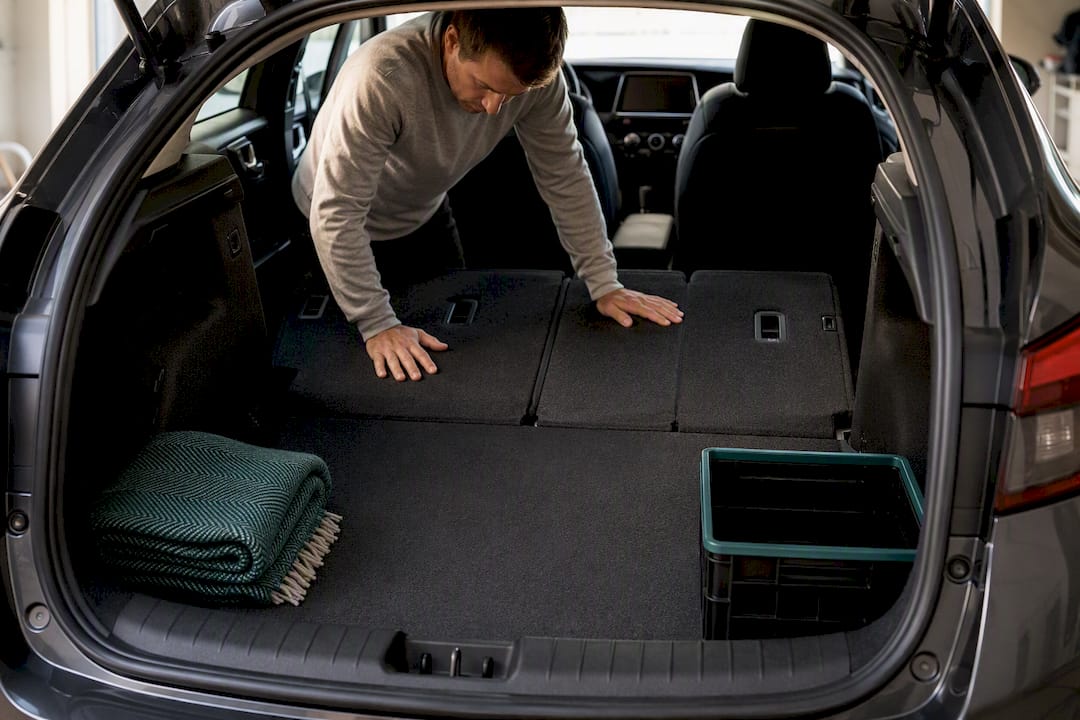
The C-segment hatchback remains a genuinely capable choice for typical European roads, and it’s worth resisting the assumption that bigger automatically means better.
SUV pros, cons, and who they suit
SUVs deliver more interior room and greater cargo volume, which is exactly why families gravitate towards them. The higher seating position improves visibility in traffic, and many models offer optional all-wheel drive that helps on wet, gravel, or snowy surfaces, and makes towing a trailer or small caravan far less stressful.
Reasons buyers choose an SUV:
- More headroom and legroom, particularly useful with car seats or taller passengers.
- Deeper, taller boot space that swallows prams, sports gear, and bulky shopping without a fight.
- Higher ride height gives better sightlines over other traffic and more confidence on uneven ground.
- Available AWD or 4WD for towing, rural roads, or poor weather.
The trade-off arrives at the pump and on the insurance renewal. SUVs generally cost more to buy, insure, and fuel than an equivalent hatchback, and their larger tyres and heavier brakes push servicing costs up too. A taller, heavier body also means less agile handling and a higher risk of certain loss-of-control scenarios, compared with a hatchback’s lower stance, according to Autocar’s analysis of the segment shift.
If the full-size SUV premium feels steep but you still want extra space, a compact SUV or crossover is often the sensible middle ground, since many modern small SUVs post fuel economy figures close to a family hatchback while still offering the higher seating position and larger boot.
How to choose: a checklist for your final decision
Buying guides consistently make one point: match the car to your actual routine, not to fashion or gut instinct about safety. That means starting with how you really drive, not with which body style looks better on the forecourt.
- Categorise your typical week. Are you mostly commuting solo through town, ferrying a family with school runs and shopping, or regularly hauling gear, bikes, or a trailer? Urban commuting points towards a hatchback; family or outdoor use points towards an SUV.
- Pick your three biggest priorities. Choose from cost, space, comfort, capability, and handling. Score each body style 0 to 2 against your three priorities and add up the totals.
- Book a viewing and run a realistic cargo test. Bring the pram, the golf clubs, or the weekly shop and see if it actually fits, rather than trusting a spec sheet number.
- Sit in the back seat, not just the front. Rear passenger comfort is where hatchbacks most often fall short for families.
- Check the fuel type and insurance quote before you commit. A quick quote comparison often reveals a bigger gap than the sticker price suggests.
- Review the service history and number of previous owners. This tells you more about real running costs than the odometer alone.
- Verify AWD or 4WD claims if towing matters to you. Some “SUV” trims are front-wheel drive only, so confirm the exact specification before you assume capability.
A quick worked example: a single commuter driving 30km a day through city traffic, prioritising low cost, easy parking, and fuel economy, scores a hatchback 2 on cost, 2 on parking, and 1 on comfort. A family of four with a dog and a small trailer scores an SUV 2 on space, 2 on capability, and 1 on cost. The maths rarely surprises you. It just confirms what your week already looks like.
What ownership actually costs over time
Price tags only tell part of the story. Hatchbacks tend to cost less across purchase price, fuel, insurance, and maintenance than an equivalent SUV, and that gap compounds every year you own the car.
The running-cost gap adds up faster than most buyers expect. Lighter kerb weight and smaller engines mean hatchbacks typically return better fuel economy per litre than a comparably specced SUV, and that difference shows up on every fill-up, not just the annual insurance renewal.
Where the costs diverge in practice:
- Fuel: hatchbacks generally sip less, though a compact SUV with an efficient engine can close much of the gap.
- Tyres and servicing: SUV tyres are larger and pricier to replace, and heavier brakes wear faster under load.
- Insurance: premiums usually track engine size, weight, and repair cost, all of which favour hatchbacks.
- Depreciation: SUVs have held resale value strongly in recent years thanks to sustained demand, though a well-specced hatchback with low mileage and full service history still holds its own on the used market.
When you’re browsing listings, mileage and service history matter more than the badge on the boot. A high-mileage SUV with patchy servicing can cost you more over three years than a well-maintained hatchback with a full history, regardless of which body style looks more capable on paper.
Using a marketplace to test the checklist properly
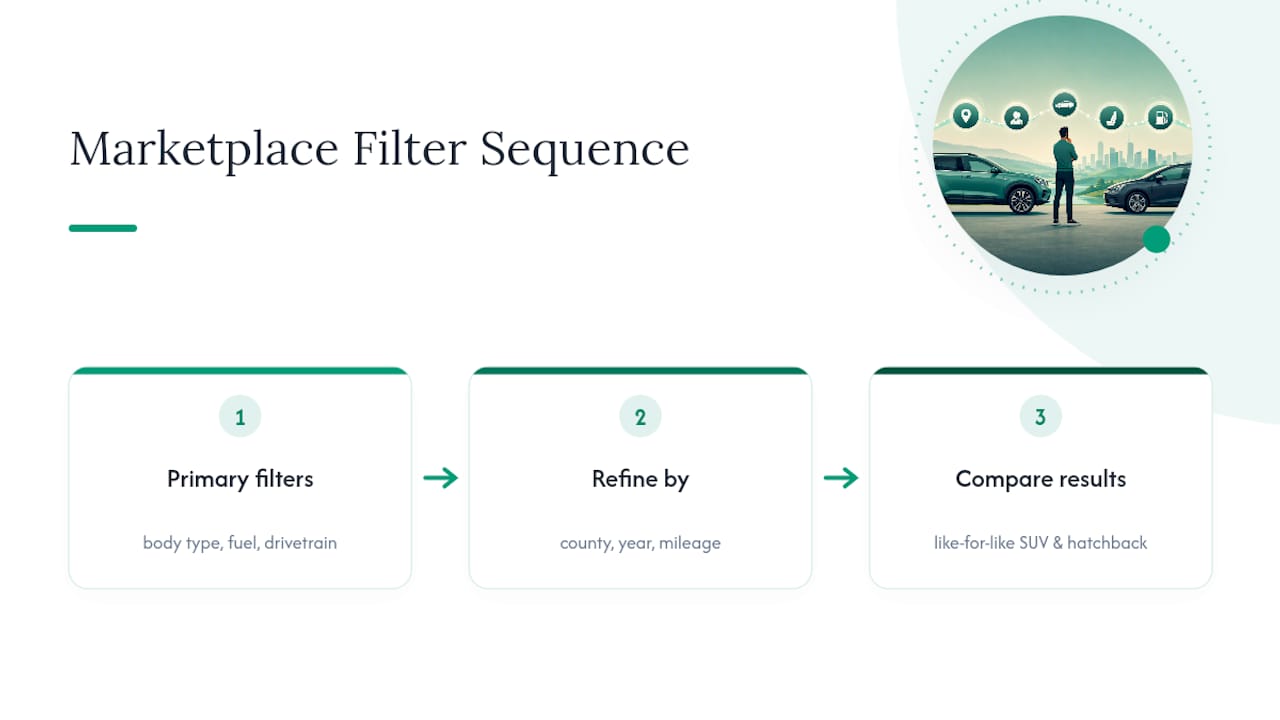
Running through a checklist on paper is one thing. Testing it against real listings is where the decision actually sharpens. On a marketplace, you can filter by body type, fuel type, and drivetrain, then narrow further by county, year, and mileage, so you’re comparing genuine like-for-like options rather than guessing from brochure figures.
The listing fields worth trusting most are mileage, full service history, and number of previous owners. Together, they tell you far more about real ownership costs than the headline price does. A 2025 Kia Sportage HEV with a clean single-owner history, for instance, gives you a far clearer read on future running costs than a similarly priced SUV with three previous keepers and gaps in its service log.
If you’re leaning towards a smaller SUV for outdoor use, checking whether the seller has fitted practical extras like a roof rack or tailgate organiser can also hint at how the car was actually used day to day.
— ibrahim
Compare hatchbacks and SUVs side by side on Ecosteer
Running the checklist above is far easier when you can filter real listings instead of guessing from brochures. A marketplace is ideal for this kind of side-by-side comparison, letting you search by body type, fuel type, drivetrain, county, price, and mileage in one pass, so a hatchback and an SUV with genuinely comparable specs sit next to each other rather than buried across different sites.
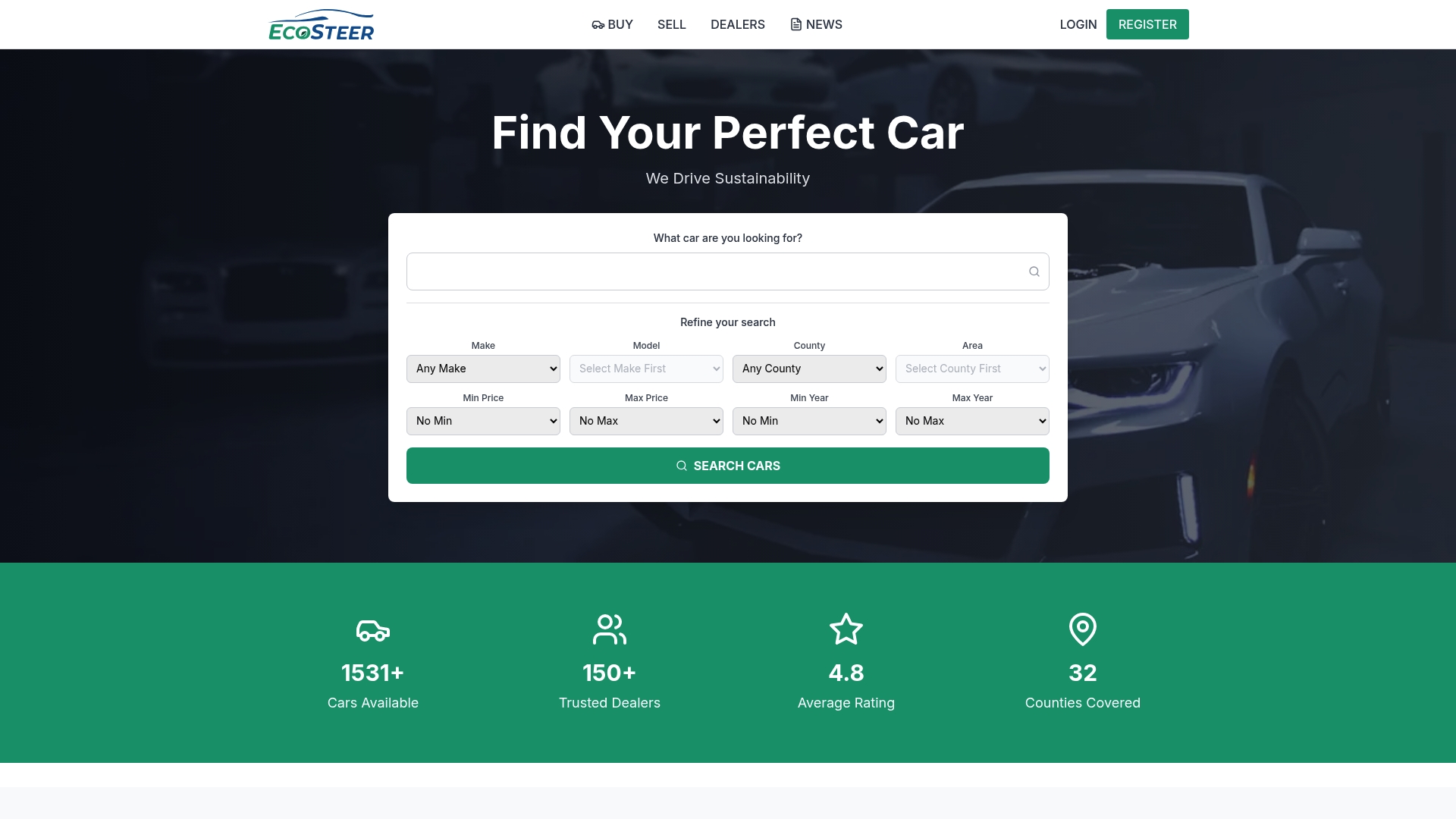
Start by narrowing your search to your priority body style, then cross-check fuel economy using the hybrid and electric buying guide if running costs are your main concern. A listing like this 2015 Suzuki Vitara shows exactly the mileage and service detail worth checking before you commit, and if you’d rather compare a well-specced hatchback, this 2022 Volkswagen Golf is a solid benchmark for value. Once you’ve shortlisted a few, use the dealer finder to book a viewing near you and run your cargo and passenger tests in person. Head to Ecosteer to start filtering today.
Sources
- Compareinsurance
- Hatchback vs SUV | ChangingLanes
- SUVs won the battle, but hatchbacks can still do it all | Autocar
Recommended
Ecosteer Editorial
Author