Cut Your EV Charging Costs in Ireland With Maps, Grants and Battery Checks
Practical guide for drivers in Ireland to EV charging: live maps and apps, real costs, SEAI home charger grants, trip planning and battery health checks.
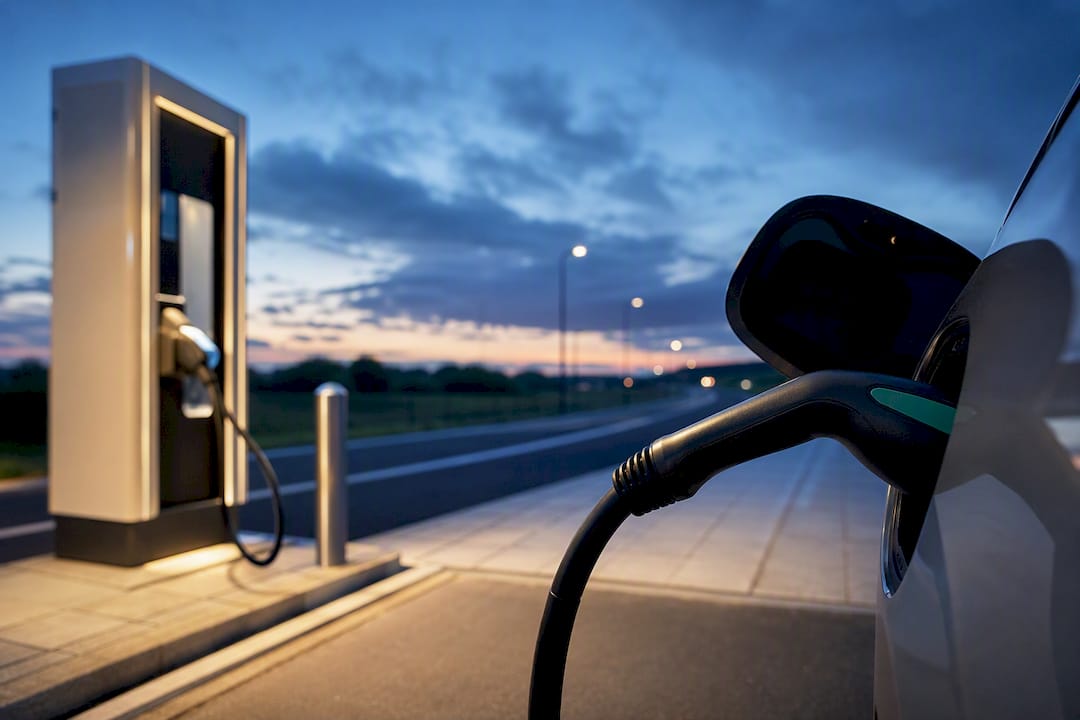
Home charging covers most of your driving in Ireland; public charging fills the gaps but costs more and varies by network. Your first move should be checking your SEAI grant eligibility for a home charger, then downloading ESB ecars alongside one community app like PlugShare before your first long trip.
TL;DR:
- Public charging in Ireland is concentrated around Dublin and main routes, with rural areas having fewer chargers and higher prices.
- Using multiple apps like Electromaps and PlugShare helps locate available chargers and avoid broken or offline units, especially in rural zones.
- Public charging costs vary widely, with home overnight charging being significantly cheaper, often under half the public rate, especially with membership plans.
- Fast chargers up to 350kW are available but slow down after 80% charge, making topping to 80% more efficient than full charges.
- Home charging costs are lower by a wide margin, and grants are available for installation if a qualified electrical contractor is used.
Table of Contents
- Where to find public EV chargers in Ireland
- What does EV charging cost in Ireland?
- How fast will your EV charge in Ireland?
- How do you pay for charging in Ireland?
- What does home charging cost and what grants are available?
- Smart trip planning for EV drivers in Ireland
- Can the Irish grid handle more EV charging?
- Charging etiquette and safety at public stations
- Ecosteer’s view: what buyers actually worry about
- Find your next EV and check its battery before you buy
- Useful links for EV charging in Ireland
- Sources
Where to find public EV chargers in Ireland
ESB ecars runs the largest public network in the country, with a live map showing standard, fast and high-power charge points from Donegal to Cork. It’s the network you’ll rely on most for motorway hubs and town-centre charging, and its coverage skews heavily towards Dublin and the main national routes.
Rural areas tell a different story. Charger density in Ireland still lags behind several European peers, and reporting from The Irish Times notes both this gap and rising prices, which is exactly why sticking to one app is a risky habit.
Two apps solve most of the blind spots ESB ecars leaves:
- Electromaps lists over a thousand charging stations across Ireland, including smaller destination chargers ESB doesn’t operate.
- PlugShare relies on driver reports, so you get real-time status updates: broken units, queues, or a charger that’s been out of order for weeks.
- Before you drive anywhere, check whether your target charger is tethered (cable attached) or requires you to bring your own Type 2 cable.
- Cross-check status on a second app if you’re heading somewhere rural. A charger showing “available” on one map can be offline on another.
Treat mapping apps as a set, not a single source. That habit alone prevents most of the range anxiety stories you hear about.
What does EV charging cost in Ireland?
Costs split sharply by charging speed, and the gap between the cheapest and most expensive session can be significant. ESB ecars publishes its price plans openly, and paying a small monthly membership fee typically knocks a meaningful amount off your per-kWh rate compared with pay-as-you-go pricing.
Typical cost pattern: Standard AC charging tends to sit at the lower end per kWh, fast DC chargers cost more, and high-power rapid hubs command the highest rates. Energia’s guide to EV charging costs breaks down worked examples showing how home overnight charging undercuts every public option by a wide margin.
A few things push your final bill up beyond the advertised rate:
- Overstay fees kick in once you’ve finished charging but left your car plugged in, common at busy hubs.
- Minimum session or top-up charges apply on some networks even for a brief top-up.
- Membership plans lower your per-kWh rate if you charge publicly often enough to justify the monthly fee.
Picture two scenarios: a full overnight home charge on a standard tariff costs a fraction of an equivalent rapid top-up on the road, and your cost per 100km climbs noticeably every time you skip home charging in favour of a public rapid unit. Always check live pricing in the app before you plug in. Rates shift, and the figure on the charger itself isn’t always current.
How fast will your EV charge in Ireland?
Charger speed determines everything about how you plan your day. SEAI categorises AC charging as commonly running between 7 and 22kW, while DC rapid charging can reach up to 350kW at the top end.
- Slow (up to 7kW): Home wall boxes and some on-street posts. A 60kWh battery takes roughly several hours from empty to full.
- Fast (up to 22kW): Common at retail car parks and workplaces. Expect 3 to 5 hours for a similar battery.
- Rapid (50kW+): Found at motorway services and larger hubs. A 40 to 60kWh battery can reach a useful charge in 30 to 45 minutes.
- High-power (150kW+): Newer motorway hubs, best suited to 70 to 80kWh batteries built to accept that rate.
Charging speed isn’t constant throughout a session. SEAI notes that speed drops once you pass roughly 80% state of charge, so topping to 80% on a DC charger and moving on usually makes more sense than waiting for the last stubborn 20%.
How do you pay for charging in Ireland?
Every network has its own way of starting and paying for a session, and getting caught without the right method is one of the most common frustrations drivers report.
- Download the network app first. ESB ecars, Energia and others require an account before you can start most sessions.
- Order an RFID or charge card as a backup. Some rural or older units still need a physical tap rather than an app.
- Check for contactless payment on newer high-power units. Not every charger supports it yet, so don’t rely on it exclusively.
- Preload credit or link a card to your chosen apps so a session doesn’t get rejected mid-charge.
- Test one local charger before a long trip, just to confirm your account and card actually work.
- Weigh membership against pay-as-you-go. If you charge publicly more than occasionally, a monthly fee usually pays for itself through lower per-kWh rates.
What does home charging cost and what grants are available?
Home charging is where most Irish EV owners spend the bulk of their charging budget, and it’s cheaper than any public option by a wide margin. A standard 7kW wall box, including installation, typically costs over a thousand euros if your consumer unit needs upgrading, your cable run is long, or you’re wiring a shared apartment car park rather than a private driveway.
| Cost factor | Typical impact |
|---|---|
| Wall box unit and standard installation | Baseline cost for most driveway installs |
| Meter or consumer unit upgrade | Adds cost if your electrics need work |
| Long cable runs | Increases labour and material cost |
| Apartment or shared parking | Often the most expensive scenario due to access and wiring |
SEAI and ZEVI offer a grant towards home charger installation, but you must use a Safe Electric Registered Electrical Contractor to qualify. From quote to commissioning usually takes a few weeks, depending on whether any electrical upgrade work is needed.
Pro Tip: Ask your electricity supplier about an off-peak EV tariff before you book installation. Charging overnight on a cheaper rate can cut your annual charging bill substantially compared with standard-rate daytime charging.
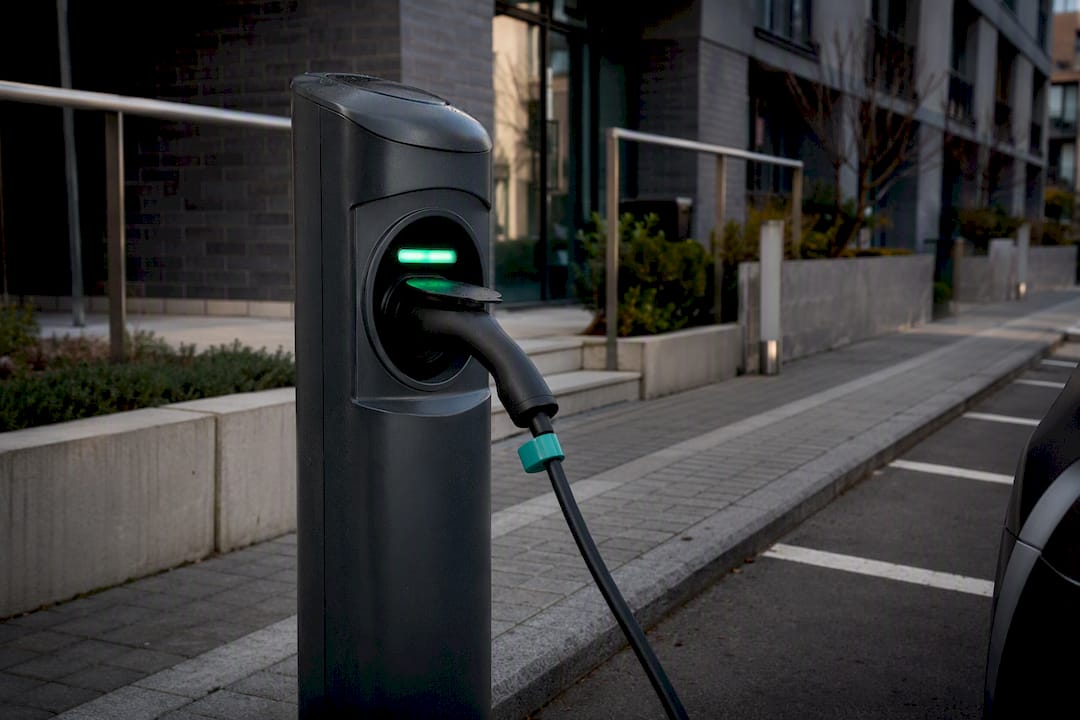
If you live in an apartment without private parking, confirm the reliability of any kerbside charger near you before assuming it’ll be your main option. Kerbside infrastructure gaps remain common, and public charging as a full-time substitute for home charging changes your cost calculation considerably.
Smart trip planning for EV drivers in Ireland
A little preparation avoids most of the stress people associate with electric driving.
- Check at least two apps for live charger status before you leave. One going down doesn’t leave you stranded.
- Carry your own Type 2 cable even if you expect tethered chargers. Not every unit has one attached.
- Apply the 80% rule on DC fast chargers. Waiting for the last 20% rarely justifies the extra time and cost.
- Watch for overstay fees and any parking charges layered on top of your charging session.
- If you charge publicly on a regular basis, join the major network’s membership plan and keep credit preloaded.
Pro Tip: Keep a fallback charger location in mind for every trip, not just your primary stop. A five-minute detour beats an unplanned wait at a broken unit.
Can the Irish grid handle more EV charging?
Ireland’s electricity network wasn’t built with mass EV adoption in mind, but the shift is being managed deliberately rather than left to chance. The government’s EV Infrastructure Strategy prioritises rolling out high-power hubs along motorways and national roads, while treating home charging as the primary method for most drivers rather than public rapid charging.
That distinction matters for grid planning. Home charging, especially overnight on off-peak tariffs, spreads demand across quiet hours when the grid has spare capacity. Public rapid and high-power hubs draw far more electricity in a short burst, which is why new sites tend to cluster near substations that can handle that load without local network upgrades.
The €21 million grant scheme announced by the Department of Transport is aimed squarely at expanding this infrastructure, recognising that charger rollout and grid capacity have to grow together rather than charger numbers outpacing what local networks can supply. For individual drivers, this mostly plays out as a practical reality rather than an abstract concern: your home charger draws power at a rate your domestic supply is already designed for, while a 150kW public hub down the road is drawing on infrastructure built specifically to handle that surge.
What this means for you day to day is simple. Charging overnight at home isn’t just cheaper, it’s also easier on the grid, and it’s part of why off-peak EV tariffs exist in the first place. The push towards more high-power hubs on national roads is a grid-capacity decision as much as a convenience one, designed to concentrate heavy demand where the network can absorb it.
Charging etiquette and safety at public stations
Shared charging infrastructure runs on a mix of common sense and a few habits worth adopting deliberately.
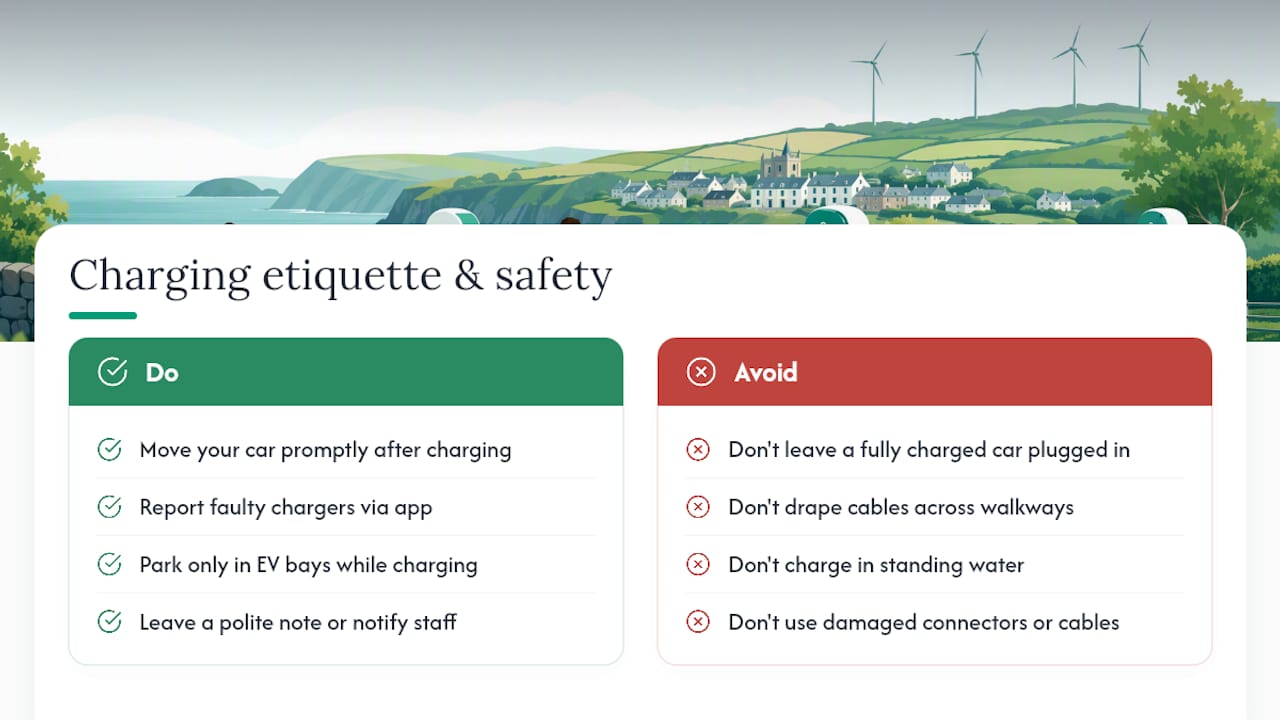
Move your car promptly once charging finishes, particularly at busy hubs where overstay fees exist precisely to discourage occupying a bay you no longer need. If you’re stopping for a coffee while your car charges, that’s fine, but don’t leave a fully charged vehicle plugged in for hours while other drivers queue behind you.
Report a faulty charger through the network’s app rather than just moving on. It’s a small action, but PlugShare and Electromaps both rely on driver reports to keep their maps accurate, and the next person searching for a working charger benefits directly.
On safety, treat charging cables the same way you’d treat any electrical equipment outdoors: don’t drape them across walkways where someone could trip, and avoid charging in standing water or during severe weather if the connection looks at all compromised. Public charge points are designed with weatherproofing and safety cut-offs, but a damaged cable or a cracked connector housing is worth walking away from rather than risking.
Park considerately, too. EV bays exist for charging, not general parking, and blocking one with a non-charging vehicle is one of the most common complaints drivers raise about shared charging areas. If you arrive and the charger ahead of you is clearly finished but the car hasn’t moved, a polite note or a quick check with staff usually resolves it faster than waiting it out.
Ecosteer’s view: what buyers actually worry about
Buyers ask us the same three things: real-world range, whether public charging near them is reliable, and battery health. That third one matters more than most people realise, because a tired battery changes your charging routine entirely, shorter range means more frequent public top-ups.
Ecosteer’s EV Battery Health Check gives buyers a verified read on battery condition before they commit. If you’re buying used and expect to lean on public charging regularly, checking battery health first isn’t optional. It’s the difference between planning trips confidently and discovering the hard way that your range estimate was wrong.
— ibrahim
Find your next EV and check its battery before you buy
This marketplace is built for Irish drivers who want to buy their next EV with confidence similar to that at a charge point: knowing what they’re getting before they commit.
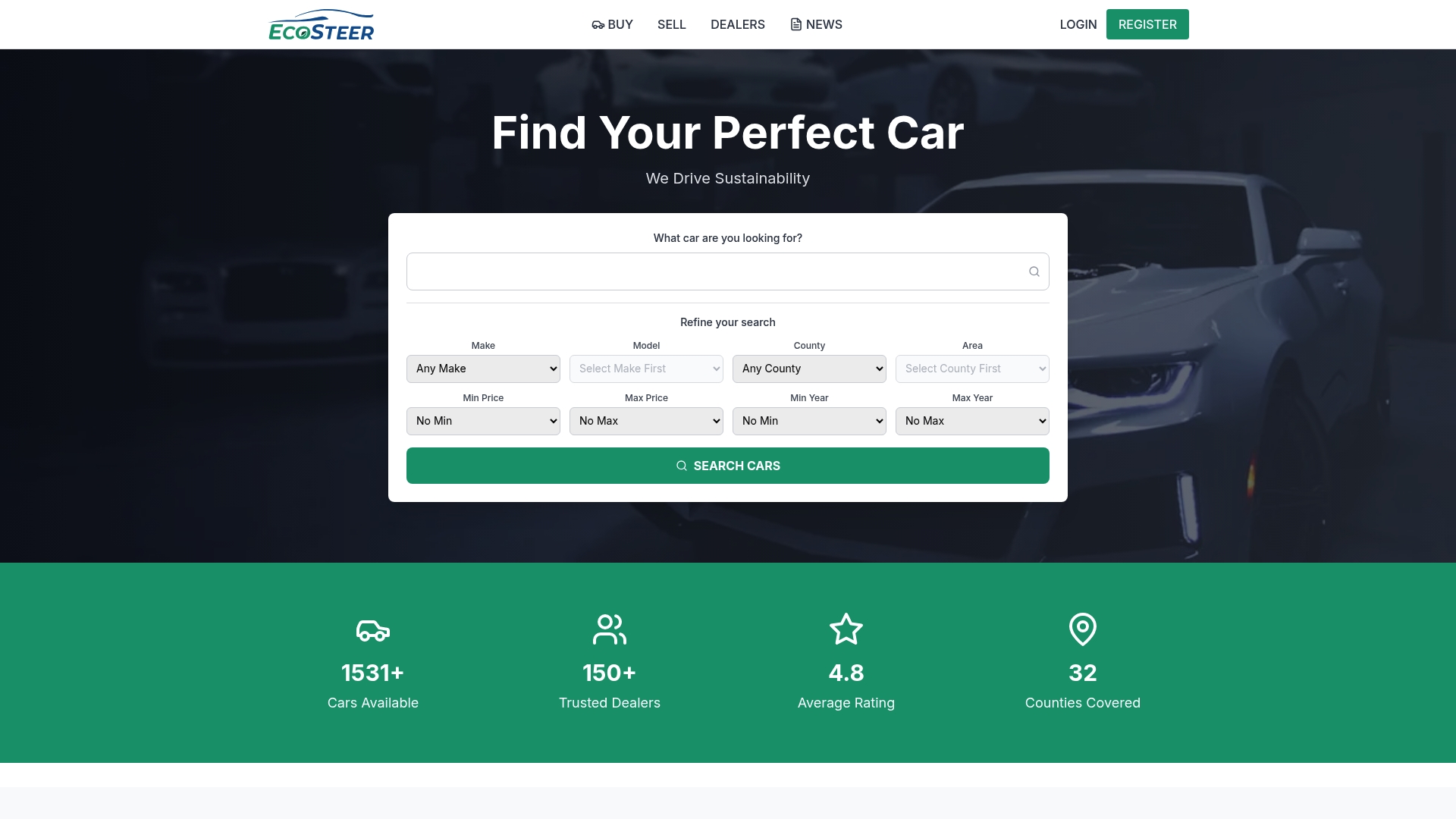
Beyond the maps and pricing tools covered above, the one thing no app tells you is how healthy a used EV’s battery actually is, and that’s precisely the gap Ecosteer closes. Search listings by county, price, mileage and fuel type on the Ecosteer marketplace, then book an EV Battery Health Check before you hand over a deposit. It’s a straightforward way to avoid buying a car whose real-world range falls short of what the listing implies. If you’d rather browse dealer stock directly, you can also find a car dealer near you and start comparing verified EV listings today.
Useful links for EV charging in Ireland
- ESB ecars charge point map and price plans
- SEAI guidance on EV charging
- Electromaps station list for Ireland
- Energia EV charging cost guide
- Gov
Sources
- Charging an Electric Vehicle | Electric Vehicles | SEAI
- ecars Electric Car Charging Price Plans Ireland | ESB
- EV Charging Costs in Ireland: A 2026 Guide | Energia
- Gov
Recommended
Ecosteer Editorial
Author